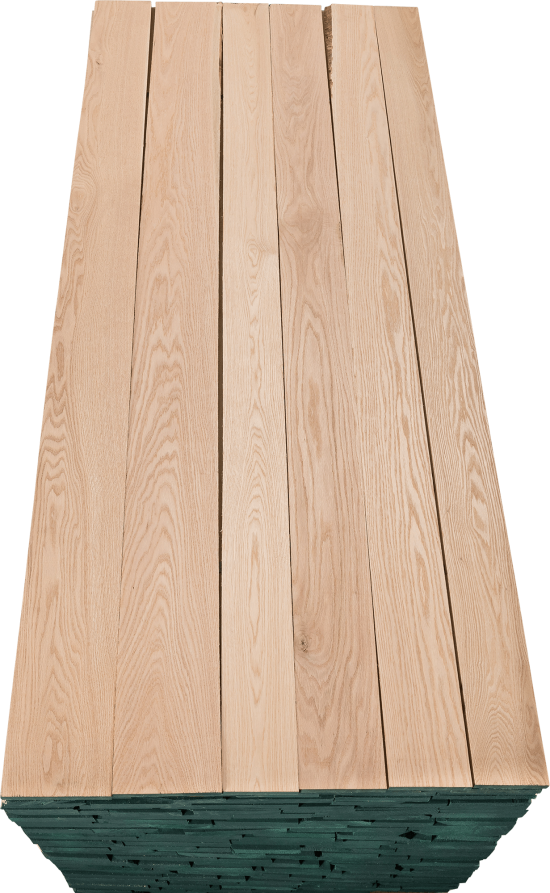
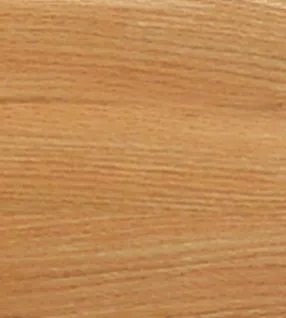
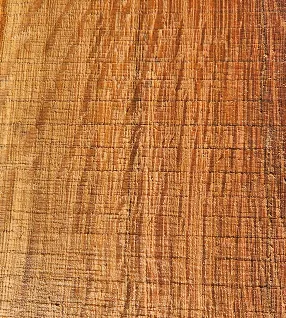
Red Oak is one of the most widely used and recognized hardwoods in North America. Known for its strength, consistency, and versatility, it features a warm, light to medium brown heartwood with a slight reddish cast and a fairly straight, coarse grain pattern that stains and finishes beautifully.
Sourced primarily from the Appalachian region, Red Oak is prized for its durability and dependable workability, making it a go-to choice for flooring, cabinetry, millwork, and furniture. Its open grain and uniform texture give it a bold, classic appearance, and it’s available in a wide range of grades and widths to suit both traditional and modern designs.
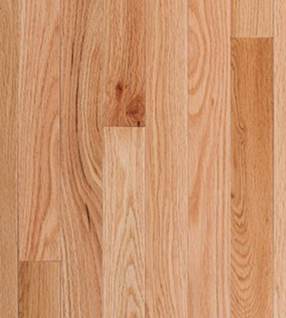
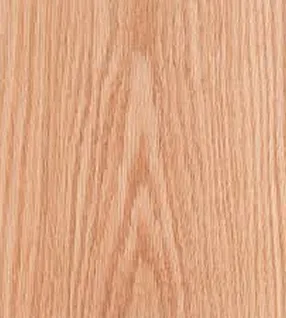
FAS is the highest grade of Red Oak lumber, offering long, clear boards with minimal knots or defects. This grade is ideal for applications that require large, visually clean surfaces—such as high-end furniture, custom cabinetry, and architectural millwork. FAS Red Oak boards typically yield the greatest percentage of usable lumber.
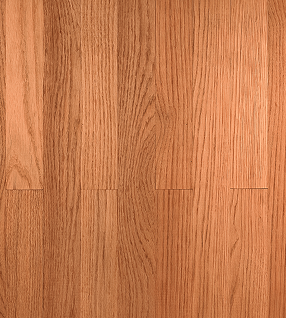
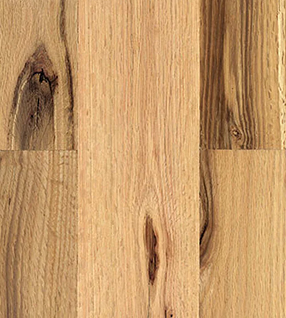
#1 Common Red Oak offers a balanced combination of character and usability. Boards in this grade allow for more natural variations like small knots, mineral streaks, or shorter clear sections, making them a popular choice for flooring, trim, and furniture with a more rustic or lived-in aesthetic. It’s often seen as a versatile, cost-effective option.
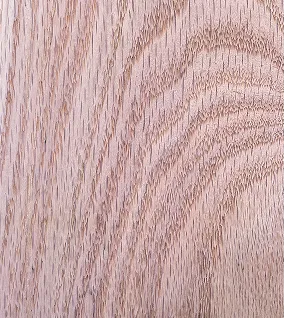
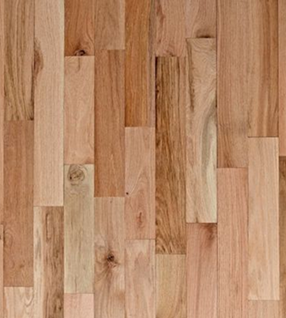
#2 Common is a more character-rich grade of Red Oak, featuring more frequent knots, color variation, and shorter clear cutting lengths. While not typically used for high-visibility surfaces, this grade is perfect for rustic designs, wall paneling, or projects where natural charm and authenticity are key. It’s also great for cutting smaller parts or pieces where imperfections can be worked around.
This is the most common and cost-effective way to mill a log. Boards are cut tangentially to the growth rings, producing a varied grain pattern that includes the familiar cathedral-like arches. Plain sawn boards tend to have the most natural character and are ideal for traditional or rustic aesthetics. They’re efficient to produce and offer wider boards with minimal waste.
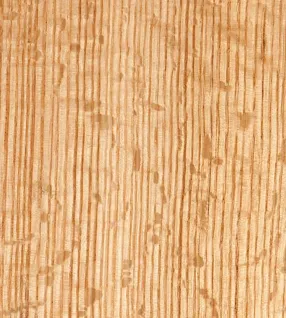
Quarter sawn boards are produced by cutting the log into quarters and then sawing perpendicular to the growth rings. This method creates straight, uniform grain lines and often reveals dramatic ray fleck patterns, especially in species like oak. Quarter sawn lumber is more dimensionally stable than plain sawn, making it a smart choice for flooring, furniture, and cabinetry where stability and refined appearance are important.
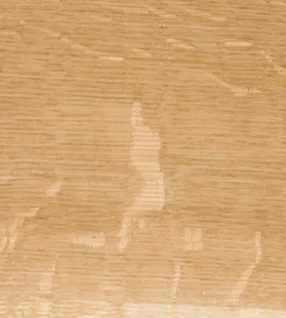
Rift sawn lumber is milled at a precise angle (typically 30–60° to the growth rings), which results in a clean, linear grain with no ray fleck. It’s the most dimensionally stable cut but also the most wasteful and expensive to produce. Rift sawn boards are favored in high-end, modern applications like stair parts, trim, and minimalist furniture where a clean, consistent look is essential.